Book collections present unique packing challenges due to their weight, varying sizes, and susceptibility to damage from moisture, bending, and crushing during transport. Whether you own a modest library or an extensive collection spanning multiple rooms, proper packing techniques protect your literary investments while making the moving process more manageable. Working with expert movers can provide valuable insights into weight distribution and professional handling techniques for heavy book boxes. This comprehensive guide examines proven strategies for safely organizing, protecting, and transporting books to your new home. By implementing these time-tested methods, you can preserve your collection’s condition while streamlining your relocation’s packing and unpacking phases.
Sorting Your Book Collection
Start your book packing project by gathering all volumes throughout your home, including bookshelves, bedside tables, storage boxes, and other locations where books accumulate. This comprehensive collection lets you see the full scope of what needs packing and helps identify books you may no longer want to keep.
Organize books by size first, as this approach directly impacts packing efficiency and box weight distribution. Group large coffee table books separately from standard paperbacks, as mixing sizes create unstable stacking and wasted space within boxes.
Consider sorting by genre or subject matter to simplify unpacking and shelf organization in your new home. Keep reference, fiction, cookbooks, and children’s books separately to match your intended shelving arrangement.
Evaluate each book’s condition and sentimental value during the sorting process. Moving provides an excellent opportunity to donate books you no longer read or need, reducing both moving weight and unpacking time while benefiting others.
Create priority categories that distinguish between books you’ll need immediately upon arrival versus those that can remain packed longer. Daily reading materials, reference books, and children’s favorites should be packed for easy access, while decorative or rarely-used books can wait for later unpacking.
Choosing the Right Packing Supplies
Box selection significantly impacts the safety of your books and the ease of handling during your move. Small to medium-sized boxes work best for books, as larger boxes become impossibly heavy and may break under the weight when filled with books.
Reinforce box bottoms with extra tape applied in multiple layers, creating a grid pattern that distributes weight across the bottom surface. This reinforcement prevents catastrophic box failure that could damage books and create safety hazards during handling.
Packing paper serves multiple purposes in book protection, from cushioning individual volumes to filling empty spaces that prevent shifting during transport. Choose clean, acid-free paper for valuable books to prevent chemical damage over time.
Consider these specific packing supplies for optimal book protection:
- Sturdy Boxes: Select boxes rated for heavy items with weight limits that exceed your planned load to provide safety margins during handling and stacking.
- Packing Paper or Bubble Wrap: Use these materials to individually wrap delicate or valuable books, preventing cover damage and exposure to moisture during transport.
- Packing Tape: Invest in heavy-duty tape designed for moving rather than lightweight office tape that may fail under stress or temperature changes.
Quality materials cost more upfront but prevent expensive damage to irreplaceable books, reducing the risk of injuries from box failures during handling.
Packing Techniques for Books
Proper packing orientation prevents damage while maximizing space efficiency within each box. Pack hardcover books spine-down with pages facing upward to prevent warping and maintain structural integrity during transport and storage.
Paperback books require different handling due to their flexibility and susceptibility to bending. Pack these books flat in layers rather than standing them upright, which can cause permanent creasing or damage to covers and spines.
Create stable layers by alternating book orientations, placing some books with spines facing one direction and others facing the opposite way. This technique helps distribute weight evenly and prevents books from settling into unstable positions.
Fill gaps between books with crumpled packing paper to prevent movement during transport. Books that shift within boxes develop damage from rubbing against each other or impacting box walls during handling.
Weight distribution becomes critical when packing books due to their density. Place heavier books at the bottom of boxes and lighter books on top to prevent crushing and maintain box stability during stacking and transport.
Organizing Boxes and Labeling
Develop a systematic labeling approach that identifies different boxes’ contents, destinations, and priority levels. Clear labels help moving teams handle book boxes appropriately and simplify unpacking in your new home.
Implement these organizational strategies for maximum efficiency:
- Categorize by genre or size to make unpacking easier and allow for strategic placement in your new home’s storage areas.
- Use color-coded labels or stickers to quickly identify book categories or destination rooms throughout your new home.
- Create a detailed inventory list for each box to keep track of your book collection and verify that all items arrive safely at your destination.
Number each box sequentially and maintain a master list that details the contents of each numbered container. This system helps locate specific books quickly without opening multiple boxes during unpacking.
Include room designations that match your new home’s layout rather than your current home’s room names. This forward-thinking approach helps place boxes directly in their intended locations, reducing additional handling and organization time.
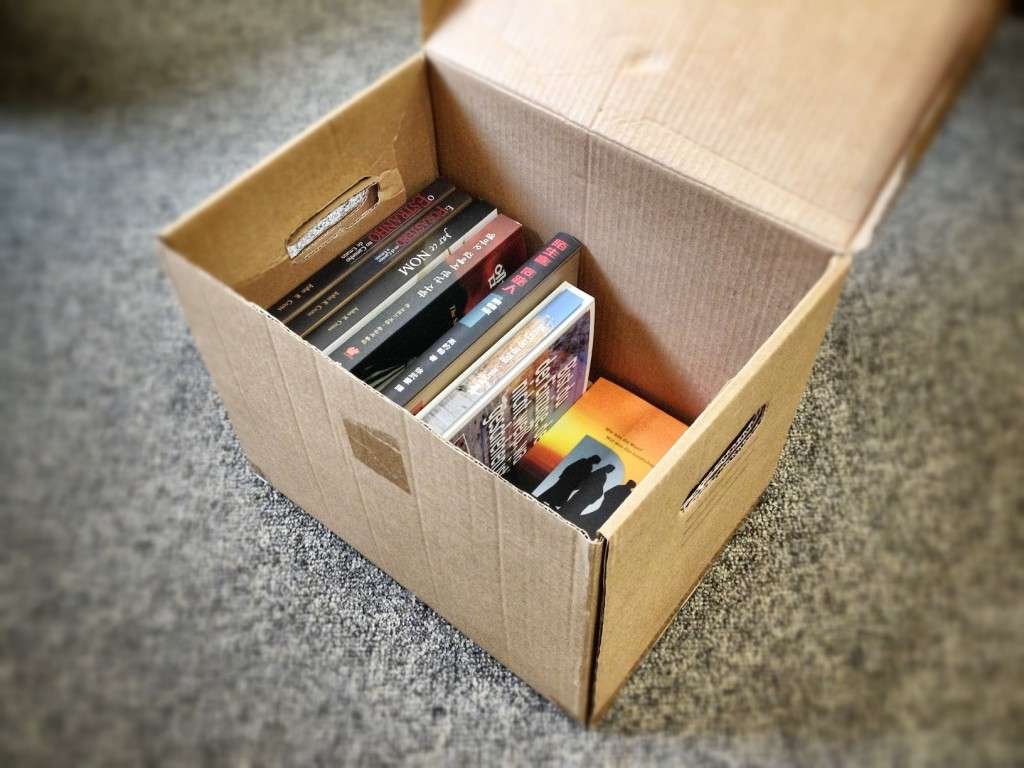
Handling Fragile or Valuable Books
Valuable books require specialized protection techniques that go beyond standard packing methods. Wrap precious volumes individually in acid-free tissue paper or archival-quality materials that won’t cause chemical damage over time.
Consider using rigid protective containers or purpose-built book boxes that provide superior crush protection for extremely valuable items like first editions, signed copies, or antique volumes. These investments protect irreplaceable items that would be costly or impossible to replace if damaged.
Climate considerations become important for valuable books, as temperature and humidity fluctuations during transport can cause warping, mold growth, or permanent damage. Pack these items with moisture-absorbing packets when moving during humid seasons or across climate zones.
Create photographic documentation of valuable books before packing, recording their condition and any existing damage for insurance purposes. This documentation protects you in case of moving company liability claims and helps verify the condition of items upon arrival.
Position fragile book boxes strategically during loading to prevent crushing from heavier items. Mark these boxes clearly with “FRAGILE” and “THIS SIDE UP” labels to communicate special handling requirements to moving teams.